
Issue 01 · Case study · Essay 08
How a 35-Year-Old School Collapsed
A false accusation, management inaction, a missing toddler and the nine-month chain reaction that permanently closed a Tokyo preschool after more than three decades.
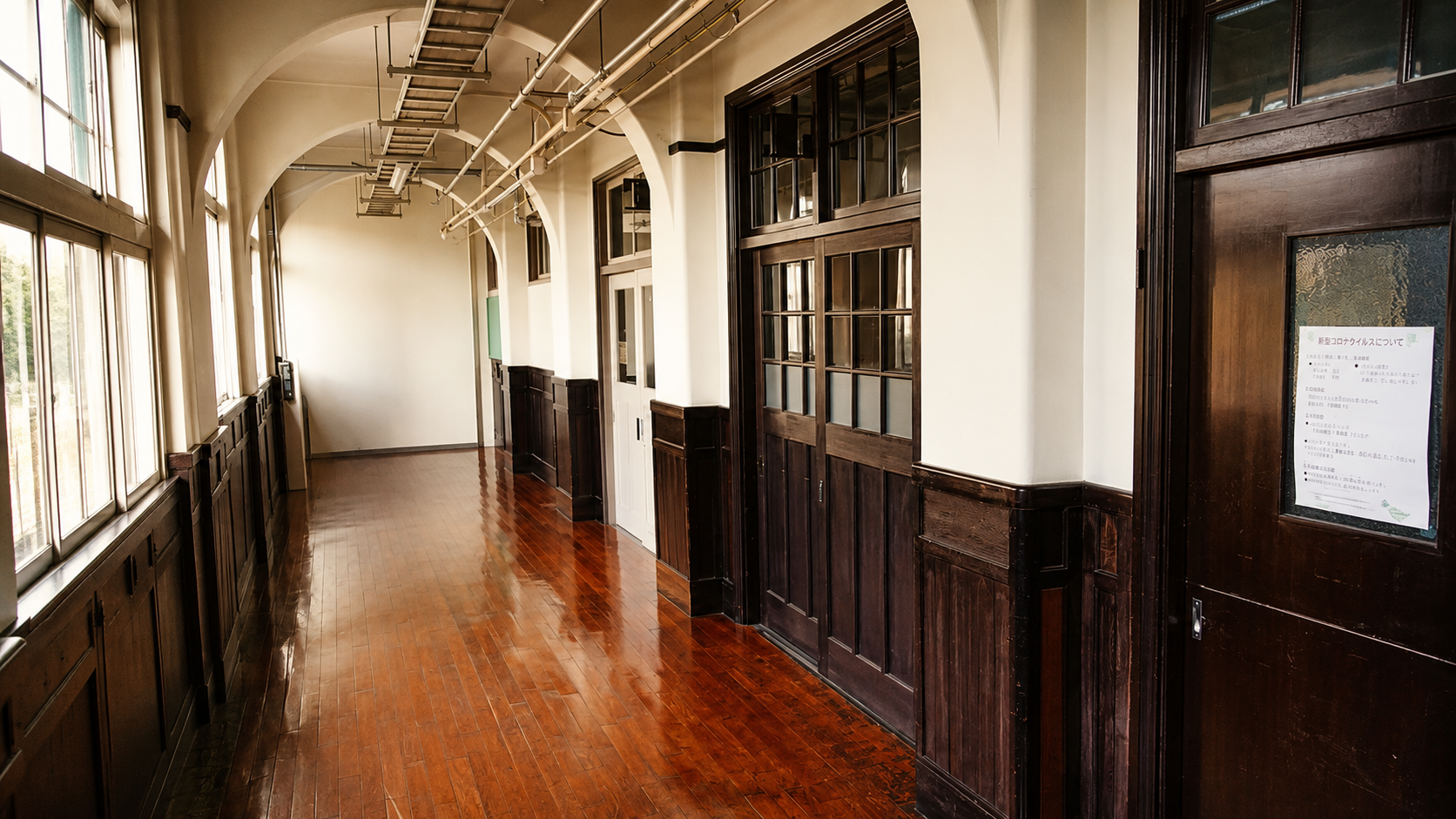
The School That Had Survived for 35 Years
Before the summer of 2018, the school had survived for more than 35 years, built a reputation with 117 pupils and never faced a crisis it could not absorb. Nine months later, it closed for good.
The visible crisis—a missing toddler, a wave of withdrawals and a business shutting down—did not begin with any of those events. It began earlier, with a staff conflict management decided was not worth solving.
The Most Popular Teacher in the Building
The teacher at the centre of the story will be called Ivan. A Russian national who had been at the school less than a year, he had become one of its most visible employees. Children greeted him by name, parents stopped to talk at pick-up and colleagues remembered his classroom as one of the most stable in the building.
His popularity became a source of resentment among some colleagues. Multiple accusations were made against him. The school would later determine that those accusations were false. That conclusion came too late.
The Conflict Management Refused to Handle
Ivan raised the issue with management repeatedly. The owner considered it a petty quarrel. When the situation became impossible to ignore, a manager was sent to speak with the teachers involved.
No meaningful investigation followed. Staff were told to avoid one another where possible, and the school continued as though the problem had been contained.
The Text Message After Payday
Ivan resigned the day after payday. He sent a short message saying the job had taken more from him than he should have given. He did not return to collect his belongings, explain the departure to parents or communicate with the school again.
Former staff recalled little immediate alarm. The assumption was that a school that had survived for decades would absorb one teacher's departure. That assumption was wrong.
The Week the School Began to Collapse
Ivan had run a full-time kindergarten homeroom. With no replacement available, classes were merged and remaining staff absorbed extra pupils while fielding complaints and rebuilding the timetable.
Five pupils withdrew in the first week; more followed. Enrolment declined and the school's reputation deteriorated faster than management could respond.
The Three-Year-Old Who Walked Out of the Park
The most damaging incident happened during the same period. With staffing already thin, two adults supervised a full group at a park. A three-year-old walked out alone.
After hours of searching, the child was found safe at a nearby grocery shop. Parents demanded answers, discussed legal action and shared the incident publicly. What had begun as an internal staffing problem became a safety and trust crisis.
The Investigation That Came Too Late
About four weeks after Ivan resigned, the school investigated seriously for the first time. Witnesses contradicted the original accusations, and a staff member admitted that allegations had been fabricated.
Ivan did not return. The classroom, staffing model and parent confidence were not restored.
The Collapse
Enrolment fell from 117 pupils to fewer than 30. Nine months after the resignation, the owner closed the business and retired. Staff scrambled for new jobs; some left Japan entirely.
No single event explains the closure. The former staff described a chain of failures that reinforced one another, beginning with management's refusal to address a containable conflict.
The Lessons for School Leaders
Staff conflict is not private when it affects classrooms. False accusations require prompt investigation. The departure of a trusted teacher can become a parent-confidence crisis. Emergency staffing plans are safety tools, not mere conveniences. And parents tend to forgive problems more readily than they forgive avoidance.
The case does not argue that temporary cover alone could have saved the school. It shows that staffing continuity, internal procedures, supervision and management judgment are connected. When each is weak, one departure can expose the entire institution.