
Issue 01 · Operations · Essay 05
The Bridge, Not the Fix
Emergency cover does not solve a school's staffing problem. It buys the one thing every good decision actually requires: time to make it without panic.
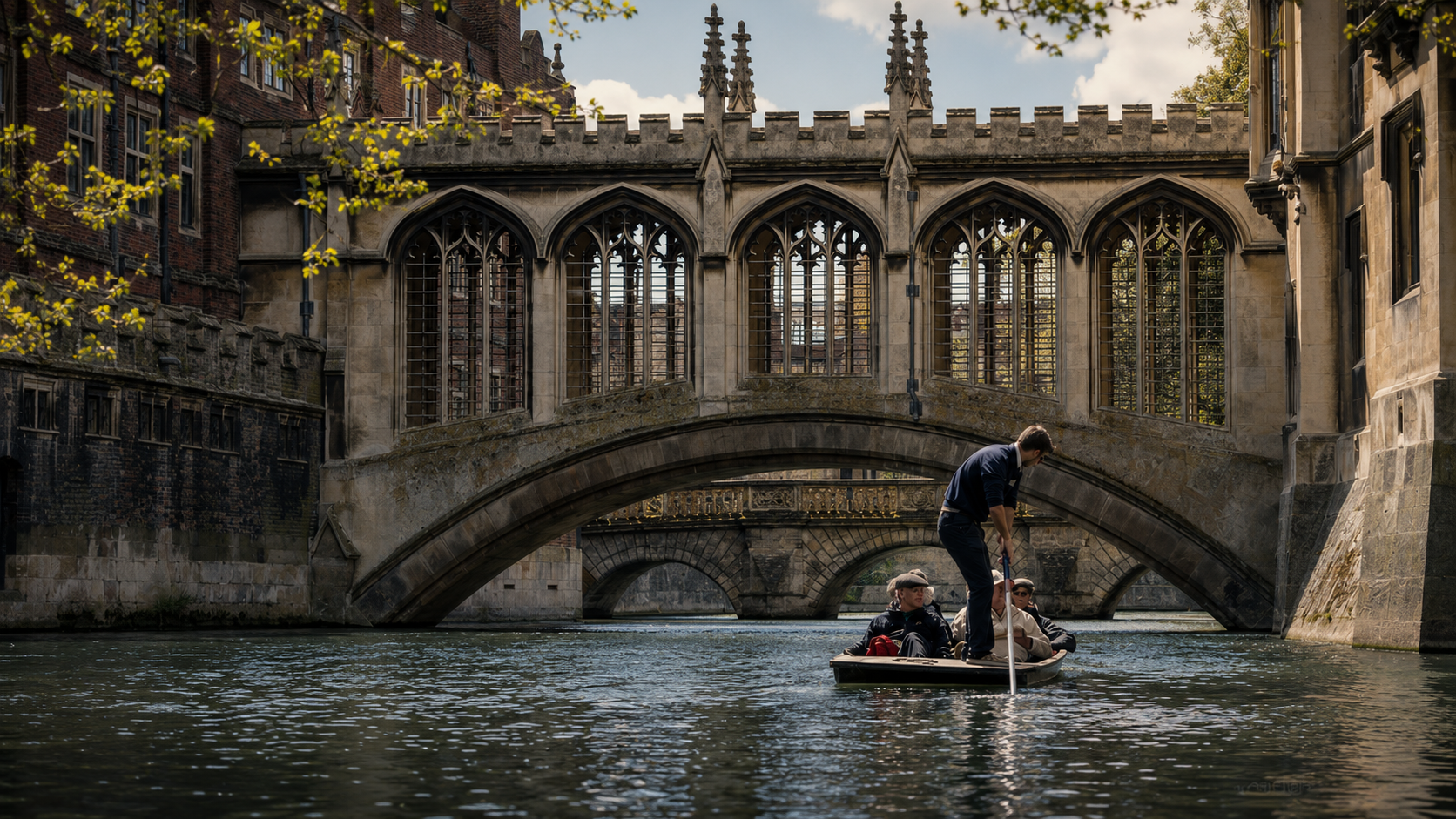
Schools bring in cover, the day is saved and relief can quietly turn the cover into something it was never meant to be: a solution. In reality, emergency cover is a pause button, pressed long enough for the institution to think clearly.
The System View
Engineering distinguishes a repair from a stopgap. A repair addresses the underlying fault. A stopgap keeps the system running long enough for a proper repair to happen without haste.
Emergency classroom cover is the latter. A well-executed stopgap can look like a fix because the room is staffed and the lesson happens. Yet the underlying condition—a school without enough depth to absorb absence—remains unchanged.
Its value lies in preventing compounding failure. An empty room forces an improvised decision: pull a manager from administration, combine unsuitable classes or cancel. Each response creates another cost. A bridge prevents one problem from manufacturing two more behind it.
The View From the Front Desk
For the person at reception, “bridge support” becomes a decision made in minutes while families arrive. There is no time to design a response—only to execute one prepared earlier or invent one under observation.
Staff with a cover option describe the morning as stressful but manageable. Staff without one describe dread: the calls, explanations and performance of confidence they do not feel.
That distinction matters. Repeatedly asking staff to improvise around foreseeable failures quietly adds to burnout and turnover at the very level responsible for holding the day together.
The Operational Discipline
Define the activation threshold in advance. Not every delay is an emergency, but debating severity during the most valuable first minutes wastes time. A clear threshold converts uncertainty into a simple check.
Decouple emergency response from permanent hiring. Cover keeps the room running; it should not determine who teaches permanently. Sliding an available substitute into a lasting role without deliberate evaluation simply moves panic from one decision into another.
Debrief even when the cover worked. A successful response still reveals which classes were hardest to staff, which materials were not handover-ready and where the process can become faster.
The Business Case
The cost of maintaining a cover option is relatively predictable. The cost of lacking one is variable and can spike through a cancelled class, frustrated family, rattled employee and rushed hiring decision.
This resembles insurance: a modest known cost caps a larger unknown loss. Schools that understand the asymmetry treat cover less as an occasional expense and more as operational protection.
The value of a standing relationship is not measured by how often it is used. Like any good contingency, it succeeds partly by allowing the school not to think about it until the moment it is required.
The Human Stakes
Families see only whether the lesson happens. They do not see the call made earlier, the prepared materials or the calm handover to somebody arriving cold. Good operations remain invisible by design.
A school that quietly preserves the lesson demonstrates reliability without announcing it. That reliability accumulates across a year of small crises that never become public ones.
The bridge does not need to be permanent. It needs to hold long enough for the school to decide, calmly, what comes next.
Reporting drawn from patterns observed across English-language schools in Japan navigating staffing continuity.